
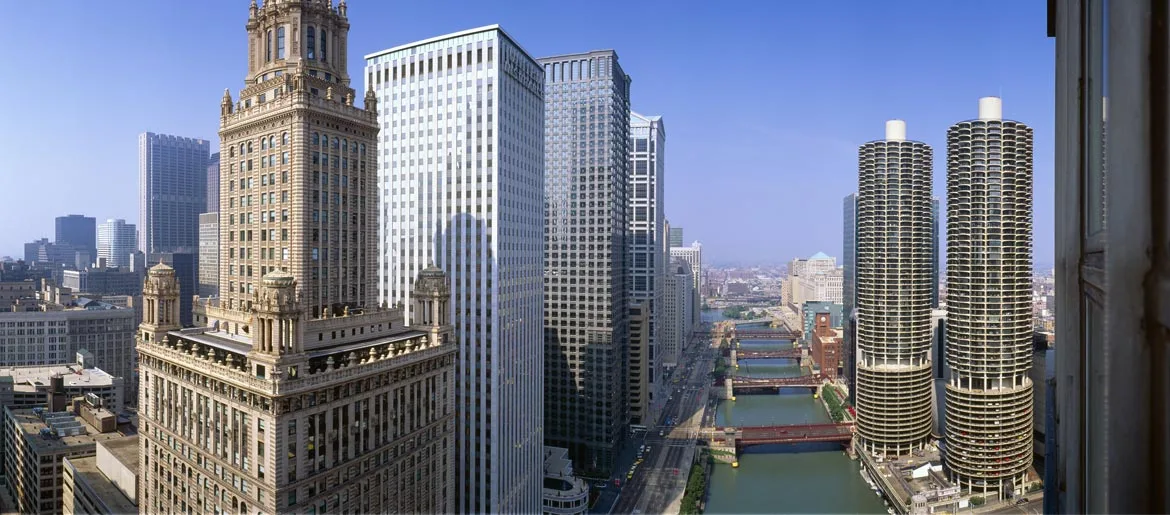
Illinois, fondly called the Land of Lincoln, became the 21st state of the United States on December 3, 1818. It was first explored by French settlers before being claimed by the British following the French and Indian War in 1763. After the American Revolution, Illinois became part of the United States. With 102 counties and a total land area of about 55,584 square miles, Illinois has a population of more than 13 million people as of 2024. Located in the Midwest, the state borders Lake Michigan and plays a vital role as a transportation and cultural hub. The nickname “Land of Lincoln” honors Abraham Lincoln, who began his political career in Illinois before becoming the 16th President of the United States.
Illinois experienced significant growth after the opening of the Erie Canal in 1825, which connected the Great Lakes with the Atlantic Ocean and spurred the migration of settlers. The Black Hawk War of 1832 brought an end to most Native American conflicts in the region, paving the way for expansion. One of the most important parts of Illinois history is the rise of Abraham Lincoln, who went from a humble farm laborer to one of the greatest presidents in U.S. history. His legacy continues to define the state’s character of perseverance and leadership.
Illinois has a diverse and powerful economy supported by agriculture, manufacturing, mining, and energy production. The state is a national leader in soybean, corn, and hog production, while also producing wheat, hay, oats, and cattle. Coal mining and oil production play important roles, as do major industries such as steel, machinery, chemicals, and food processing. Chicago, the state’s largest city, serves as an international hub for trade, finance, and technology, while also being home to the world’s largest cookie and cracker factory. The state’s economic balance of agriculture and urban development makes it one of the most stable economies in the Midwest.
Illinois is known for many firsts and achievements that shaped the world. It was the first state to ratify the 13th Amendment in 1865, abolishing slavery in the United States. Chicago built the world’s first skyscraper, forever changing the modern city skyline. In science, the first controlled nuclear reaction took place under the University of Chicago’s football stadium, proving that uranium and graphite could safely produce energy. These innovations established Illinois as a center for progress and research. Chicago also became a global leader in architecture, transportation, and food production, hosting some of the world’s most iconic companies and landmarks.
Illinois offers a rich mix of historical landmarks and modern attractions. Highlights include the Abraham Lincoln Presidential Library and Museum, the Lincoln Tomb in Springfield, and the Illinois State Capitol, which remains the tallest non-skyscraper capitol building in the United States. Chicago’s famous landmarks include the Water Tower, Wrigley Field, Sears Tower (now Willis Tower), and the Adler Planetarium. Other notable sites are Columbus Park, the Third Street Bridge, Peoria Waterworks, and the Ayer Public Library, the first tax-supported library in the state. Illinois also hosts some of the nation’s best music festivals, including Lollapalooza, Spring Awakening, and Summer Camp. Locals have a deep affection for pizza, especially Chicago’s world-famous deep-dish style, and share Canada’s love for hockey. Life in Illinois combines cultural diversity, entertainment, and opportunity, making it an exciting and welcoming state to call home.
Back to map